From preferred lies and temporary greens, to handicapping and shortened competitions, here is a framework for managing winter conditions and keeping golfers playing.
The leaves have started to fall, the summer competition calendar is ending, and many of you will already be planning in earnest for the start of winter.
While there is no official off-season in golf, with players encouraged to submit scores for handicapping throughout the year, winter can bring more challenging conditions that affect the course and whether acceptable scores can be posted.
England Golf has recently updated its guidance on adverse and extreme weather and given clubs a series of rules and handicapping pointers. We look at some of the main pointers, while also considering helpful Rules of Golf over the coming months…
Preferred lies
This has been a source of confusion at clubs over the last couple of years, after England Golf gave clubs the final say on when preferred lies could be brought in only to remove those powers a year later.
Preferred lies, also known as Model Local Rule E-3, can be used from October 1 until April 30 but “only when it is absolutely necessary to do so” and when the “conditions would mean that acceptable scoring would not be possible without them being in place”.
It adds: “Furthermore, the Model Local Rule MUST be removed as soon as practicably possible”.
That may give clubs that have traditionally imposed preferred lies throughout the entire winter food for thought.
For scores to be allowed for handicapping when preferred lies are in place, lies can only be preferred on “grass cut to fairway height or less, within six inches of the original lie of the ball”.
The same deadlines also apply for Local Rules on cleaning the ball, and on the compulsory use of fairway mats.
From May 1 to September 30, clubs need permission from their County Office if they wish to use these specific Local Rules.
Relief for ball lost in leaves
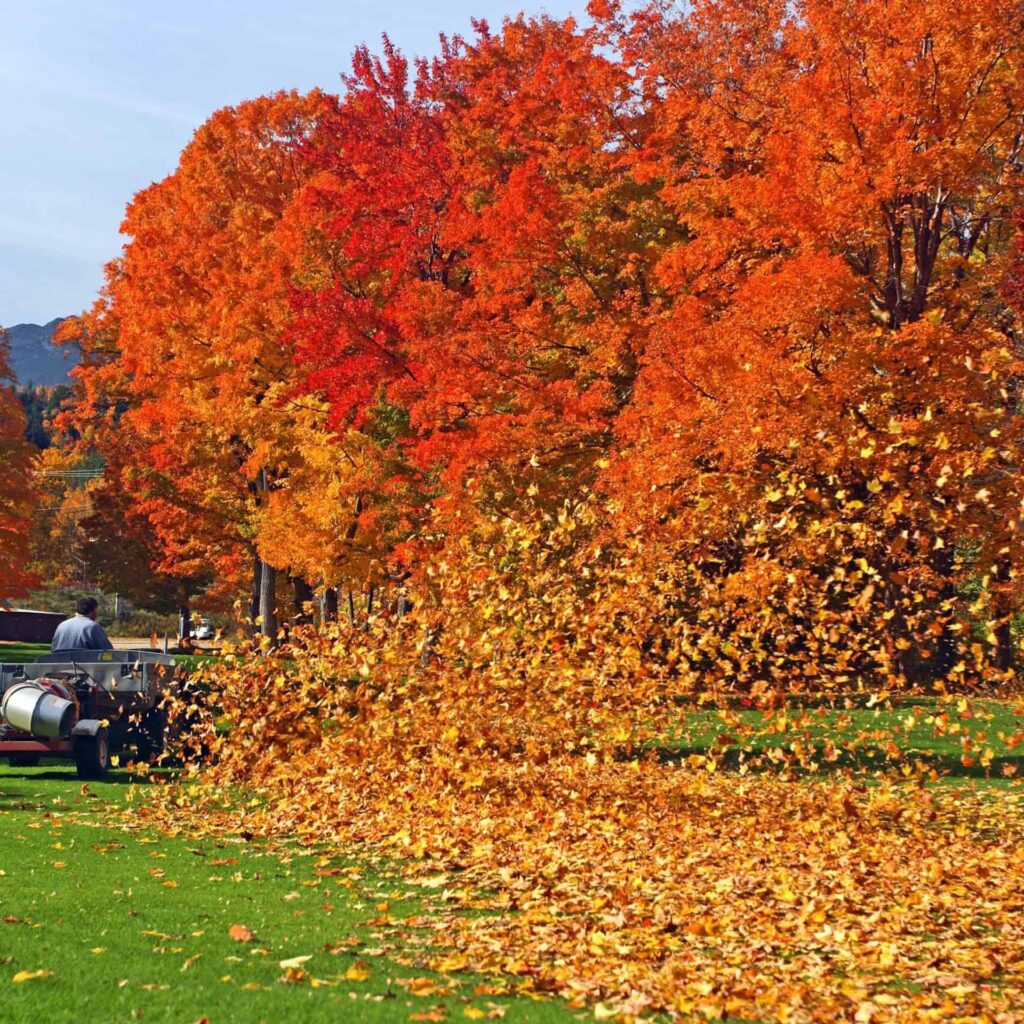
Leaves are loose impediments, and free relief isn’t usually available for balls that cannot be found in them.
But if there are piles of leaves on the course, committees can bring in a Local Rule – F-14 Accumulations of Loose Impediments – that treats such piles in the general area or a bunker to be ground under repair.
R&A advice says such a rule should be limited to the hole or specific areas where there are problems and adds it does not cover situations where “there are lots of individual leaves or clumps”. It adds: “It is specific to large piles of leaves”.
When these accumulations are treated abnormal course conditions, free relief is allowed under Rule 16.1 if it is known or virtually certain the ball is in the area – even if it cannot be found.
Tee sets and yardage restrictions
England Golf has reiterated that tee sets – which determine whether a course is acceptable for handicapping or not – must be switched off if “conditions mean acceptable scoring is not possible”. That is the case even if Local Rules are in place.
They should also be switched off if the course set-up does not comply with the Rules of Handicapping.
This refers to yardage compliance, where there are strict restrictions on how the yardage of the course can be altered and scores can still be submitted for the World Handicap System.
The front of the teeing area should not be plus or minus 10 yards from the fixed measurement point, while the overall length of the course cannot be plus or minus 100 yards from its measured length.
When the course needs to be lengthened or shortened by more than 100 yards, this can be permitted on a temporary basis for course maintenance or safety reasons. The guidance says clubs can apply for an alteration to Course Rating for adjustments between 100 and 300 yards.
It says if there is no time to request an adjustment before the change, “clubs should consider taking that hole out of play rather than making scores ineligible for handicapping, until an adjustment to WHS can be made”.
Temporary greens
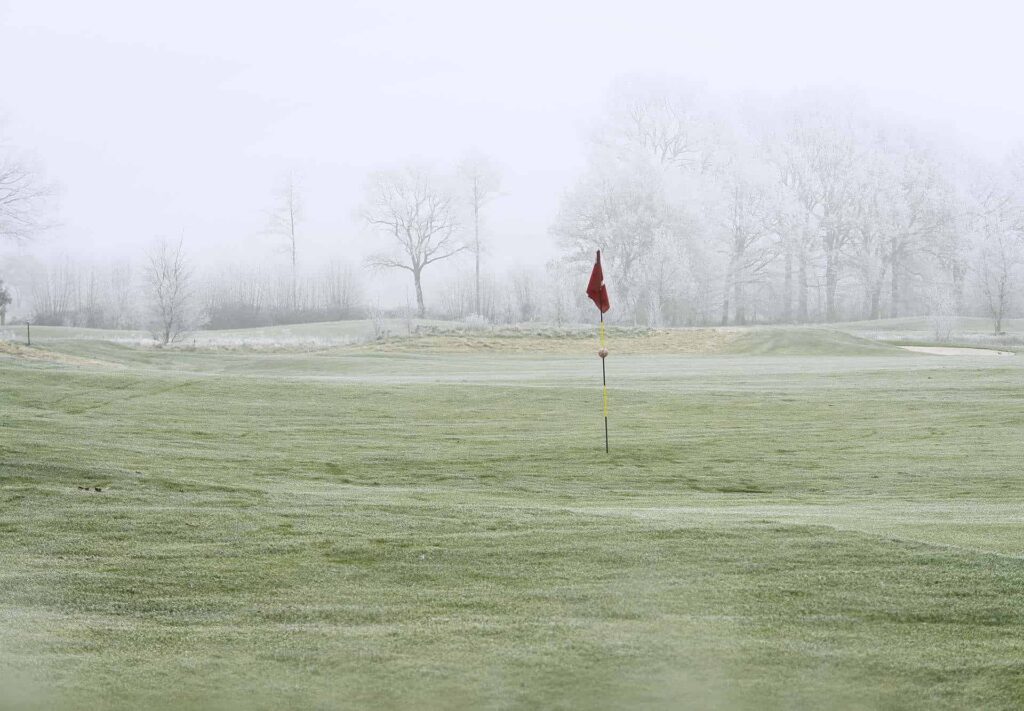
No more than two temporary greens can be used for an 18-hole course to be acceptable for handicapping. It’s one temporary green for 9-hole courses.
Closed Holes
Did you know scores can still be acceptable for handicapping even when holes are closed or declared out of play during the winter months?
If course conditions and maintenance plans require it, the adverse/extreme weather guide gives power to a committee to declare some holes out of play and still “meet the requirement for up to two temporary greens”.
Separately, Rule 3.2 in the Rules of Handicapping allows events to be held over a “non-standard number of holes”. So if committees wanted to hold competitions over 15 holes, for example, scores could still be added to the WHS record of competitors.
Such rounds are scaled up to 18 holes using the Expected Score method. It could also give clubs flexibility to play events in the winter where hours of light could be an issue when lots of people want to play.
To see the full adverse/extreme weather guide, visit England Golf’s website.
Key takeaways
- Local Rules are not routine: Course conditions should be reviewed regularly and Local Rules introduced only when necessary – removing them when they are no longer required
- Ensure your course meets handicapping standards: Course lengths, tee positions, and temporary greens must be monitored if scores are to count towards handicaps
- Competitions can be flexible: Clubs can still hold events with closed holes, or over non-standard numbers to maintain playing opportunities