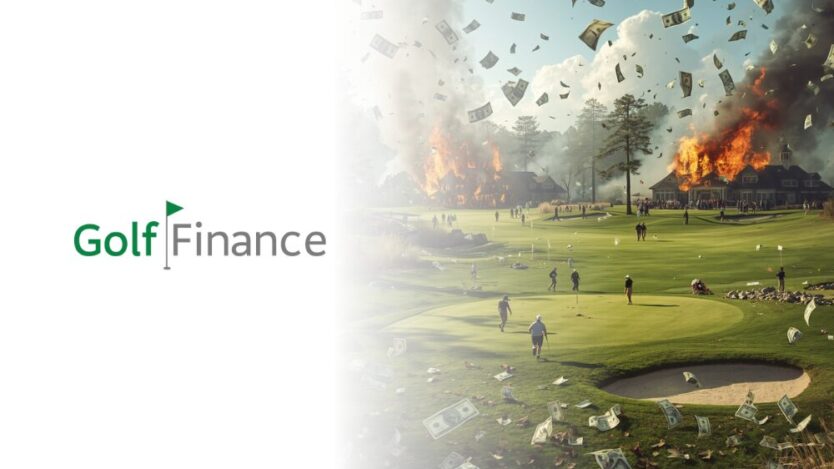
From GCMA Partners: Golf Finance
Is your golf club looking to maximise stress, uncertainty, and financial panic?
Well, look no further, because capital assets such as machinery, clubhouse facilities and irrigation systems provide the perfect opportunity to get things spectacularly wrong.
Rather than approaching these investments with strategy or foresight, the key is to remain entirely reactive and simply hope for the best.
Budgeting, after all, only limits spontaneity. Why plan asset purchases when you can wait for something to break mid-season, then rush into an urgent and expensive decision? Nothing tests a club’s resilience like buying critical equipment at the worst possible time – ideally when cash reserves are already stretched.
Large, unplanned capital purchases are an effective way to drain the bank account in one go. The resulting pressure on day-to-day operations keeps things exciting and ensures every future decision is made under strain.
Asset replacement cycles are another area where clubs often make the fatal error of planning ahead. To avoid this, simply keep machinery going indefinitely. A mower that should have been replaced years ago can almost always be coaxed through “one more season,” with rising maintenance costs and frequent breakdowns disrupting play.
Structured capex plans are particularly dangerous, as they remove the thrill of uncertainty. Instead, allow critical assets such as irrigation systems to run well beyond their useful life and replace them only when failure becomes unavoidable.
This reactive approach efficiently damages the club’s reputation, frustrates staff, and steadily tests member loyalty all at once.
Please, don’t let this be your club’s catastrophic reality.
When finance is used deliberately as a tool to manage cash flow, clubs gain flexibility rather than risk. Predictability in asset replacement and capital spend creates better decision making and calmer governance, even when conditions change.
Assets are replaced before failure, staff can work efficiently with reliable equipment, and members experience consistent standards rather than disruption. Discussions shift from crisis management to long-term improvement, with confidence that today’s decisions support tomorrow’s sustainability.
Ultimately, good capital planning strengthens governance from the inside out. Risk is reduced. Confidence grows. The club is able to balance financial stability with ambition, progressing steadily rather than simply surviving.
Not through luck, but through disciplined decisions made well in advance.
By Mark Shanley